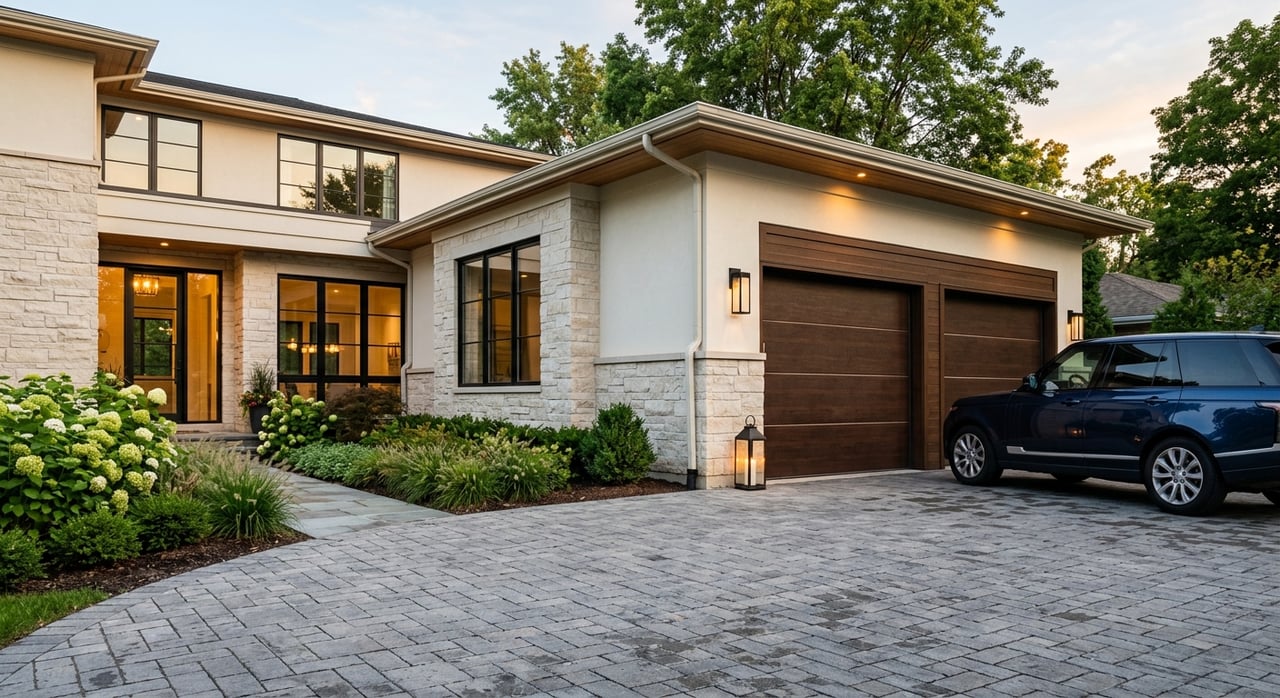
If your workweek depends on getting in and out of Houston, where you live around Katy can shape your day as much as the home itself. You may be weighing a shorter drive, a larger lot, a lower price point, or easier access to major corridors, and each choice comes with tradeoffs. The good news is that Katy and nearby Waller offer several distinct commuter-friendly options once you understand how the road network and housing patterns fit together. Let’s break it down.
Why Katy Works for Commuters
Katy is more than one city center with one commute pattern. The City of Katy describes the area as the hub of Harris, Waller, and Fort Bend counties, about 30 miles west of Houston. For you as a buyer or mover, that means your commute experience often depends more on corridor access than on the mailing address alone.
Interstate 10 is the main east-west spine for many Katy-area drivers. TxDOT notes that the I-10 Katy corridor provides access to SH 6, SH 99, and Beltway 8, which helps explain why so many commute routes converge there. It also reports that this segment is congested during peak travel times, so route planning matters.
SH 99, also known as the Grand Parkway, changes the equation for many households. TxDOT describes it as a major highway system intended to improve mobility across the greater Houston area. If your job is in suburban business centers rather than downtown, living farther west can still feel practical when SH 99 is part of your daily route.
Housing Choices by Area
Closer-In Katy
Closer-in Katy is often the strongest fit if you want quicker access to I-10 and Park & Ride options. This part of the market tends to align with a more conventional suburban setup, where your priority is reducing friction in the workweek. If you expect to head east often, being closer to the main corridor can make your daily routine more predictable.
Katy also offers a wide range of housing types and price points. Census QuickFacts show a median owner-occupied home value of $401,700 in Katy, while the City of Katy says local home prices range from about $200,000 to over $1.5 million. HAR’s April 2026 market snapshot adds more context, with a median sold price of $355,000 and an average sold price of $422,524.
That spread is important because Katy is not one uniform market. You may find established neighborhoods, master-planned communities, and a broad resale mix depending on where you focus your search. For commuters, the key is matching that housing choice with how often you need I-10, SH 99, or a Park & Ride lot.
Farther-West Katy
Farther-west Katy can offer more room while still keeping you connected to major roads. In many cases, the commute becomes less about direct downtown access and more about how efficiently you can reach SH 99 or connect back to I-10. This zone can make sense if your job is in the Energy Corridor, Westchase, Galleria-area connections, or other suburban employment centers.
The tradeoff is that your drive may depend more heavily on corridor conditions. TxDOT’s work on the I-10 Katy corridor and the broader function of SH 99 both point to the same reality: distance is only one part of the commute story. Congestion, interchange access, and active road work can affect how reliable your trip feels from one week to the next.
Waller-Area Housing
If you want more space and a lower-density setting, Waller may be worth a serious look. Census QuickFacts show a median owner-occupied home value of $156,900 for Waller city and $318,700 for Waller County, while HAR’s April 2026 Waller market report shows a median sold price of $286,990 and an average sold price of $329,834. Compared with Katy, that can create more room in the budget depending on the specific property and location.
Waller County’s development regulations also help explain the feel of the area. The county defines rural residential subdivisions as large-acreage lots of 5 acres or more, with more basic drainage infrastructure than you would usually expect in denser suburban settings. In practical terms, that supports a housing pattern that feels more spread out and more road-dependent.
That extra space can be appealing, but it usually comes with a longer commute commitment. Waller is still a commuter market, not a short-hop urban one. Census data shows mean travel times to work of 31.1 minutes for Waller city and 32.2 minutes for Waller County, which is similar in broad terms to Katy’s 31.3 minutes, but your actual route can feel very different based on corridor access.
How Drive Patterns Usually Work
Morning and Evening Flow
The most useful way to think about Katy commuting is by traffic direction, not just mileage. Because TxDOT identifies the I-10 Katy corridor as congested during peak travel times, a practical day-to-day pattern is heavier eastbound pressure into Houston in the morning and heavier westbound return traffic later in the day. That is not a guaranteed timing rule, but it is a helpful planning framework.
This matters when you compare homes. Two properties may seem similar on paper, but the one with easier entry to your preferred corridor may save you stress over time. Commute convenience in this market is often about reducing bottlenecks, not simply reducing miles.
Downtown and Medical Center Options
If you commute to Downtown Houston or the Texas Medical Center, Park & Ride may be part of your strategy. METRO lists Route 221 Kingsland, Route 222 Grand Parkway, and Route 228 Addicks as weekday Park & Ride service to Downtown Houston. Route 298 Katy Freeway/TMC also runs on weekdays and serves the Texas Medical Center along with Addicks Park & Ride, Kingsland Park & Ride, and the Northwest Transit Center.
METRO also states that parking is free at its Park & Ride facilities. That can make a meaningful difference if you want to drive part of the way, park once, and avoid driving the full corridor every day. For some buyers, that makes closer-in Katy especially appealing because it can offer both housing options and a lower-stress weekday routine.
Energy Corridor, Westchase, and Galleria Routes
If your job is west of central Houston, the best route may depend on which major road you can access most easily. TxDOT notes that I-10 connects drivers to SH 6 and Beltway 8, while the Westpark Tollway provides access from SH 99 toward Loop 610 and major connectors that serve areas including the Galleria. That means your home search should account for the corridor that best fits your work destination.
In this part of the metro, there is no single best answer for every commuter. One household may value a direct I-10 path, while another may prefer stronger SH 99 access because the job location is more suburban. Looking at the map through your actual weekly drive pattern is often more helpful than looking only at city boundaries.
Budget, Space, and Commute Tradeoffs
The clearest way to compare Katy and Waller is through three factors: commute tolerance, housing form, and budget. Katy generally offers broader suburban inventory and a wider price band. Waller often offers more space and a lower-density setting, but usually with more dependence on the road network and a longer-feeling drive.
Here is a simple way to think about the three living zones described by the market data:
| Living zone | Best fit for | Housing feel | Commute pattern |
|---|---|---|---|
| Closer-in Katy | Buyers prioritizing corridor access | Conventional suburban mix | Easier access to I-10 and Park & Ride |
| Farther-west Katy | Buyers wanting more room with suburban connectivity | Broader suburban and edge-suburban options | More dependence on SH 99 and corridor choice |
| Waller area | Buyers seeking space and lower density | More spread-out and acreage-oriented options | Longer, more road-dependent commute commitment |
This framework can help you narrow choices without overcomplicating the search. Instead of asking which area is best in general, ask which area fits your actual week. That is usually where the smartest decision starts.
A Smarter Way to Shop in Katy
When you are comparing homes in Katy or Waller, it helps to think beyond square footage and list price. You also want to evaluate how close you are to I-10, SH 99, Park & Ride access, and the routes you would use most often. A home that looks perfect online can feel very different once you factor in daily traffic patterns.
Houston TranStar can also help illustrate how real-time conditions affect reliability in this market. Its traffic tools include incident, lane closure, camera, and travel-time information, and it currently includes an I-10/Waller County construction layer. That reinforces an important point for commuters: reliability is shaped by road conditions and work zones, not just by map distance.
If you are relocating, buying your first home, or planning a move-up purchase, it helps to approach Katy with a strategy. The right choice is usually the one that balances your budget with the kind of home you want and the drive you can realistically live with each week. That is where clear guidance can protect both your time and your long-term finances.
If you want help weighing commute patterns, resale value, new construction options, or the right fit for your budget, Callis & Co Realty LLC can help you build a move around strategy, not guesswork.
FAQs
What makes Katy a strong option for Houston commuters?
- Katy benefits from major access to I-10 and SH 99, and parts of the area also connect well to METRO Park & Ride service for weekday trips to Downtown Houston and the Texas Medical Center.
What is the difference between Katy and Waller housing options?
- Katy generally offers a wider suburban price range and more conventional neighborhood formats, while Waller leans more toward lower-density and acreage-oriented housing with a more road-dependent layout.
What are typical home prices in Katy and Waller?
- HAR’s April 2026 reports show a median sold price of $355,000 in Katy and $286,990 in Waller, while Census figures show higher owner-occupied values in Katy than in Waller overall.
How should you compare commute routes from Katy?
- Focus on which corridor fits your destination best, especially I-10, SH 99, and related connectors, because commute reliability often depends more on route access and congestion than on straight-line distance.
Does Katy have Park & Ride service for work commuters?
- Yes. METRO lists weekday Park & Ride routes from Kingsland, Grand Parkway, and Addicks to Downtown Houston, plus service on Route 298 for the Texas Medical Center.
Why do some Waller homes appeal to commuters despite being farther out?
- Waller can offer more space, lower density, and in some cases a lower price point, which may offset the longer commute for buyers who place a higher value on land or a more spread-out setting.