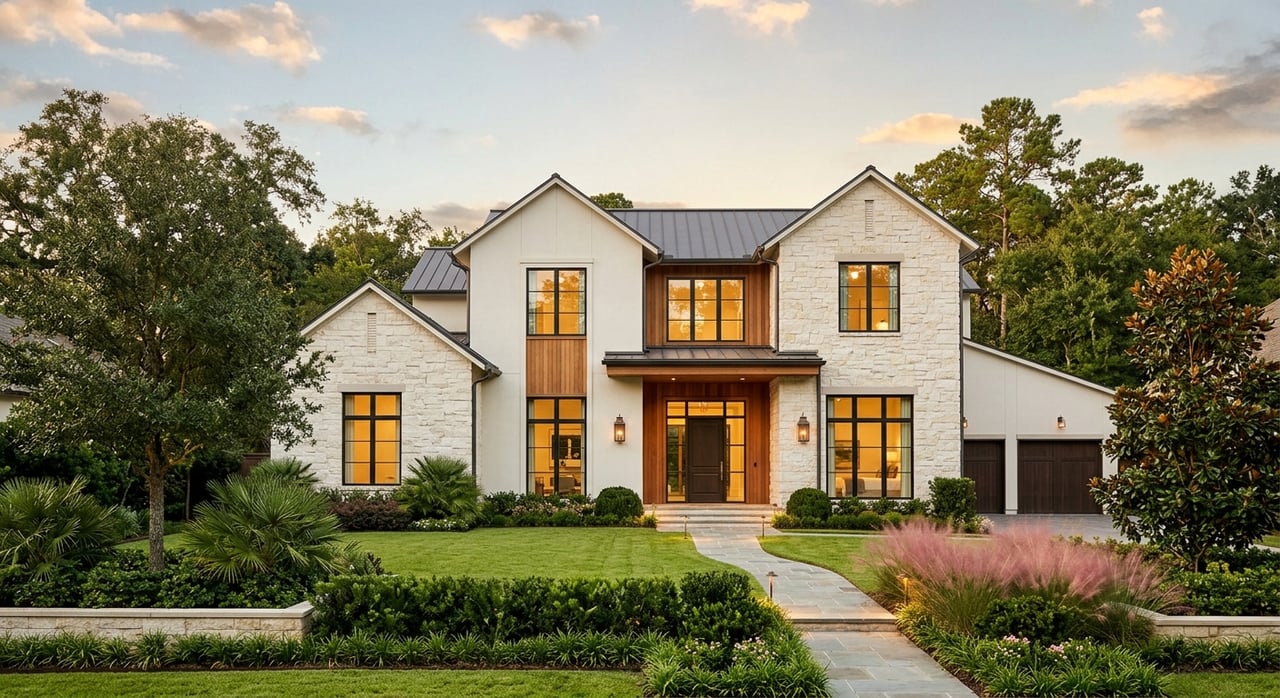
Ready for more space, a smoother routine, and a home that better matches this stage of your life? If you are thinking about moving up in the Greater Houston area, Sugar Land often rises to the top for practical reasons, not just curb appeal. From its strong owner-occupied base to its parks, trails, job access, and active resale market, this city offers a lot for homeowners who want their next move to support both lifestyle and long-term financial goals. Let’s take a closer look.
Why Sugar Land stands out
For many move-up homeowners, the goal is not simply to buy a bigger house. You may also want better daily convenience, more room to grow, and a location that feels like a smart long-term hold. Sugar Land checks many of those boxes.
The city is about 20 miles southwest of downtown Houston and functions as a full-service municipality in eastern Fort Bend County. It is also known as a master-planned suburban community, which matters if you value a more structured environment with amenities and established residential areas.
Census and city data add helpful context. Sugar Land has an owner-occupied housing rate of 80.3%, a median household income of $136,217, and 63.0% of adults age 25 and older with a bachelor’s degree or higher. The mean commute time is 28.9 minutes, which helps explain why the city appeals to established households balancing home life and work access.
Move-up buyers often want more than square footage
When you move up, you are usually solving several problems at once. Maybe you need more bedrooms, a dedicated office, more storage, or a yard that works better for your routine. You may also be thinking about resale, monthly carrying costs, and whether the location will still serve you well years from now.
Sugar Land’s appeal comes from that bigger picture. It offers the feel of an established homeowner market while also giving you access to amenities, civic destinations, and a community layout that supports day-to-day convenience.
Amenities add real lifestyle value
A move-up purchase often needs to improve how you actually live, not just what you own. Sugar Land supports that with a strong public amenity base.
The city owns and maintains 27 parks, 3 special-use facilities, and more than 35 miles of hike-and-bike trails. Those amenities support activities such as fishing, kayaking, hiking, and mountain biking, which can make a meaningful difference if you want recreation close to home.
That matters because lifestyle value is part of the move-up equation. If you are stretching your budget for your next home, many buyers want to feel that the surrounding area adds value too. Sugar Land’s parks, trails, and civic planning help support that case.
Central Sugar Land shows ongoing investment
Another reason Sugar Land appeals to move-up homeowners is that the story is not only about large homes or established subdivisions. The city and regional planning efforts have also focused on livability and reinvestment in key central areas.
A livability study in central Sugar Land highlights housing options, retail and office uses, civic destinations, connectivity, and mobility around U.S. 59, SH 6, Town Square, First Colony Commons, and the Market at First Colony. For buyers, that signals a community thinking beyond today and planning for long-term function.
Job access supports the move-up case
Established homeowners often choose their next home with work access in mind. Sugar Land benefits from both local employment and its position within the broader Houston region.
The city reports total employment of 69,302 in 2024 and identifies major employers that include Houston Methodist Sugar Land Hospital, Schlumberger, Bluebonnet Nutrition, Memorial Hermann Sugar Land Hospital, ABM, ChampionX, Accredo Packaging, QuVa Pharma, CHI St. Luke’s, and HCSS. That range of employers helps explain why the area attracts professionals across healthcare, energy, corporate, and technical fields.
Sugar Land also operates a corporate-focused regional airport, which reinforces its appeal for households and businesses with professional and travel-related needs. For some move-up buyers, that kind of infrastructure supports a more efficient lifestyle.
Commute access matters, but it is personal
The city’s location about 20 miles from downtown Houston and its sub-30-minute mean commute can make Sugar Land workable for many households tied to the larger metro job market. At the same time, every commute depends on your destination, schedule, and traffic patterns.
That is why your home search should match your real routine, not a broad average. A strategic move-up plan weighs the home itself against the way you actually live and work.
The market shows stability and activity
Move-up buyers usually care about two things at the same time. You want a home that improves your life now, and you also want to protect the equity you have already built.
Recent citywide trend data from HAR suggest that Sugar Land remains active rather than stagnant. In April 2026, the city recorded an average price of $677,460, a median price of $523,000, 583 listings, and 30 days on market. In May 2026, the median price was $525,000, listings rose to 683, and days on market fell to 27.
Those numbers point to a market with ongoing demand and a meaningful range of price points. The gap between average and median price also suggests a notable higher-end segment in the citywide mix, which is often relevant to move-up homeowners shopping for more space, upgraded finishes, or a more premium setting.
Sugar Land looks like a long-hold market
Census data show that 90.4% of residents lived in the same house one year earlier. Combined with the city’s 80.3% owner-occupied rate, that supports the view that Sugar Land has a relatively stable homeowner base.
The city’s redevelopment planning also emphasizes long-term fiscal sustainability. That does not guarantee future value, of course, but it does support the idea that Sugar Land is often viewed as a place for longer-term ownership rather than a quick-turn move.
Timing a move-up purchase takes strategy
One of the hardest parts of moving up is not choosing the next house. It is coordinating the sale of your current home with the purchase of the next one.
Consumer guidance in the research notes that buyers often try to sell their current home before buying another one, though some shop loan options and homes at the same time. It also notes that closing is the final step in buying and financing a home, and that mortgage closing and purchase closing usually happen at the same time.
For you, that means timing matters. So do contingencies, lender communication, and a realistic plan for what happens if the two sides do not line up perfectly.
Protect your equity during the transition
A move-up purchase should help you build on the equity you already have, not put it at unnecessary risk. The research notes that a HELOC allows you to borrow against available equity, but missing payments can put your home at risk. A home equity loan is also a second mortgage.
That does not mean these tools are always wrong. It means you should evaluate them carefully, especially if you are trying to bridge one transaction into another.
You also need to account for the full cost of moving up, which may include:
- Transaction costs
- Taxes
- Repairs
- Moving expenses
- Insurance
- HOA dues
A strong move-up plan starts with preapproval, a clear look at cash reserves, and an honest assessment of your risk tolerance. In many cases, the smartest decision is not the fastest one. It is the one that protects flexibility and preserves equity.
How to evaluate Sugar Land for your next move
If Sugar Land is on your shortlist, focus on the factors that matter most to your next stage. A move-up home should fit your life now and still make sense financially.
Here are a few smart questions to ask as you compare options:
- How much additional space do you truly need?
- How important are parks, trails, and civic amenities to your daily routine?
- What commute pattern are you trying to support?
- How much of your current equity do you want to preserve for reserves or improvements?
- Are you planning to sell first, buy first, or coordinate both at once?
- Does the area feel like a place you would want to hold for several years?
These questions can keep you grounded when the search becomes emotional. A move-up purchase is exciting, but the best outcomes usually come from clear priorities and disciplined planning.
Why strategy matters in a move-up market
Sugar Land appeals to move-up homeowners because it offers more than the promise of a larger house. It combines a strong owner base, active housing market, amenity-rich setting, and practical access to jobs and regional destinations. For many buyers, that creates a compelling mix of comfort, convenience, and long-term potential.
The key is making sure your next move is structured as carefully as it is imagined. When you approach the process with a clear financial plan, realistic timing, and strong negotiation support, you put yourself in a much better position to move forward with confidence.
If you are weighing a move to Sugar Land and want strategic guidance on selling, buying, or timing both together, Callis & Co Realty LLC can help you make a smart, well-planned move.
FAQs
Why does Sugar Land appeal to move-up homeowners?
- Sugar Land appeals to move-up homeowners because it combines an established owner-occupied market, strong amenities, access to major employers, and an active resale environment that can support long-term ownership goals.
How far is Sugar Land from downtown Houston?
- Sugar Land is about 20 miles southwest of downtown Houston, according to city information.
Is Sugar Land mainly an owner-occupied market?
- Yes. Census data in the research report show an owner-occupied housing rate of 80.3%, which points to a market with a strong base of homeowners.
What amenities does Sugar Land offer homeowners?
- Sugar Land maintains 27 parks, 3 special-use facilities, and more than 35 miles of hike-and-bike trails, with activities that include fishing, kayaking, hiking, and mountain biking.
What does the Sugar Land housing market look like for move-up buyers?
- Recent HAR data in the research report show active listings, median prices around the mid-$500,000s in spring 2026, and relatively short days on market, which suggests an active market with a meaningful higher-end segment.
What should you consider before buying a move-up home in Sugar Land?
- Before buying a move-up home in Sugar Land, you should review your equity position, get preapproved early, compare sell-first versus buy-first timing, and budget for costs such as repairs, moving expenses, insurance, taxes, and HOA dues.